
As a popular destination for travelers from around the world, Japan has everything! Charming cherry blossoms, vibrant summer festivals, delicious cuisines, a highly developed transportation system, ancient temples and shrines, and the unique blend of ancient tradition and modern innovations are just a few reasons to travel to Japan. If you are looking for a vacation with unique Asian cultural and natural experiences, it’s time to plan a Japan tour to its best destinations.
To help you get started, we’ve created this ultimate guide for you to plan your first trip to Japan. From when to go, trip length, destinations to visit, preparations before the trip to what to book in advance and other essential tips, we tried to include all things you should know before visiting Japan.
Decide When to Go
Japan can be divided into four regions by climate type, offering unique experiences and scenery each season. Thus, the best time to visit Japan varies depending on different travel goals and preferences.
- Spring (March to May): Spring marks a peak travel time in Japan when the stunning cherry blossoms gradually bloom from south to north.
- Summer (June – August): Though the weather is hot and humid, summer is when many traditional festivals and fireworks events are held. It is an off-season in Japan and also a great time to experience Japan’s cultural richness. July to early September is the climbing season of Mount Fuji.
- Autumn (September – November): Another high season in Japan thanks to the comfortable weather and colorful autumn foliage and chrysanthemums. In Kyoto, Tokyo, Nagoya, and Osaka, many parks and gardens will hold various exhibitions, concerts, and sports events.
- Winter (December – February): Winter is usually harsh and cold, but attracts many visitors with the stunning snow scenes, exciting skiing resorts, and warm onsen.

Choose Your Destinations
Japan boasts a variety of cities rich in culture, history, and natural beauty. For first-time visitors, it is highly recommended to visit some cities in the Kansai and Kanto regions, which are the most classic highlights of the country. People who want to experience the top hot spring resorts and ski resorts in the country can also extend their trip to Hokkaido.
Below are some of the best cities to visit in Japan:
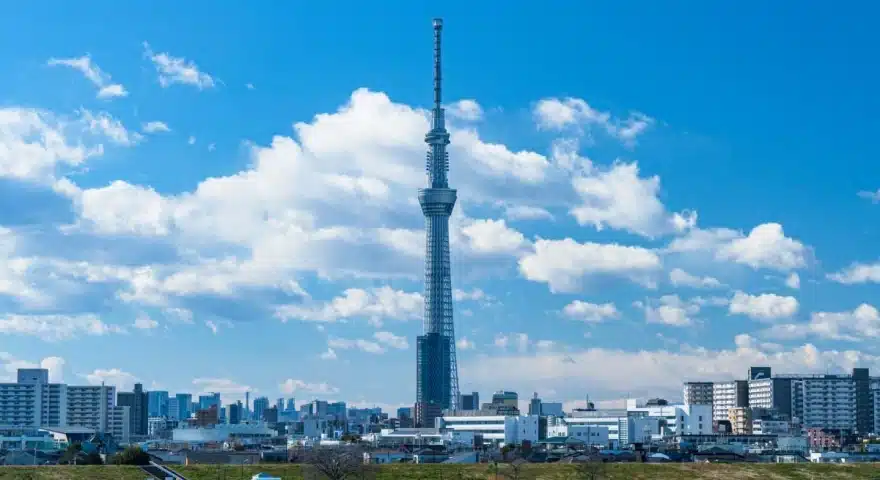
Tokyo: A Fusion of Modern Cityscape and Rich Historical Culture
- Top attractions: Senso-ji Temple, Tokyo Tower/Tokyo Skytree, Meiji Shrine, Shibuya Crossing
The capital of Japan, Tokyo has consistently ranked among the world’s top travel cities. The Travel + Leisure magazine describes the city as an exciting blend of neon-lit ultra-modern skyscrapers and tranquil temples. It boasts over 50 skyscrapers towering above 180 meters and is known for its contemporary lifestyle. On the other hand, it preserved many old-fashioned streets showcasing the charm of traditional Japan, and is home to the Imperial Palace and the iconic Senso-ji Temple.
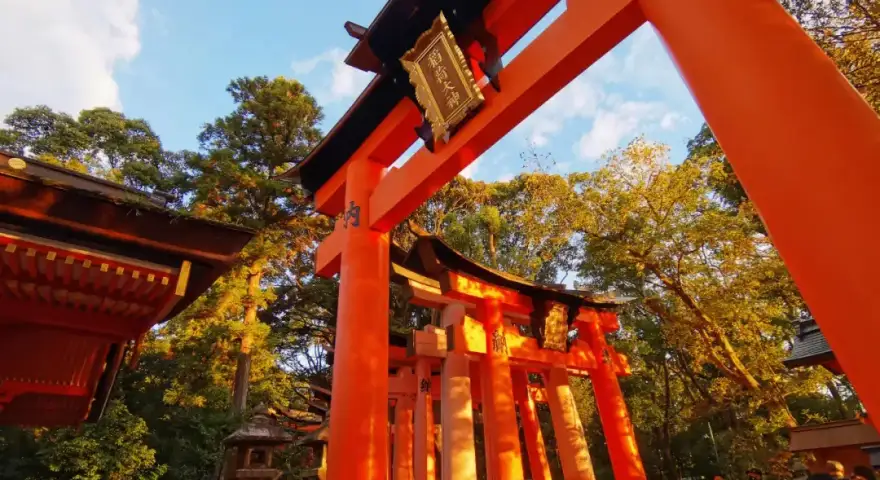
Kyoto: A Timeless Ancient Capital
- Top attractions: Kiyomizu-dera, Fushimi Inari Taisha, Kinkaku-ji
Serving as the ancient capital of Japan from 794 to 1868, Kyoto was once a cultural, religious, and political hub of the country for a long time. Even in modern times, it is still the cultural symbol of Japan, retaining many traditional buildings and cultural heritages.
Osaka: A Vibrant Modern Metropolis
- Top attractions: Osaka Castle, Dotonbori, Universal Studios Japan
The economic, cultural, and transportation hub of the Kansai region and also the second-largest city in Japan. Features a unique blend of rich history, diverse culinary delights, and bustling commercial districts.

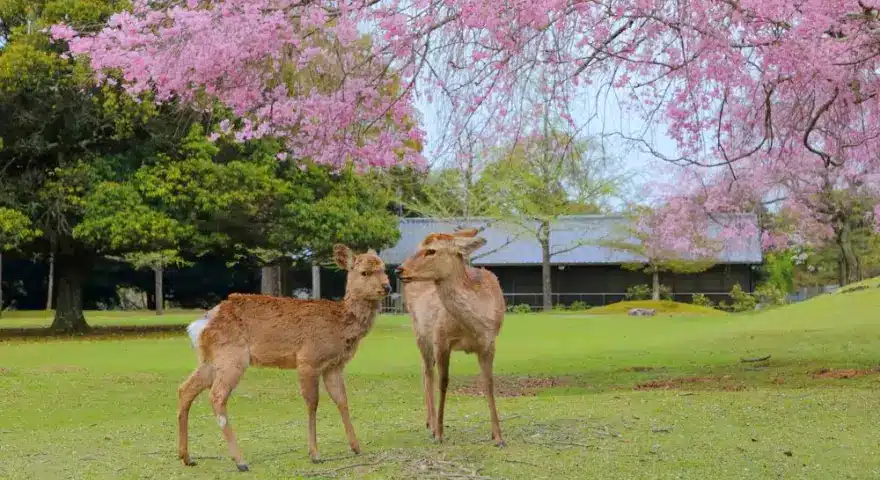
Nara: An Ancient Capital in Harmony with Nature
- Top attractions: Todai-ji, Nara Park with friendly sika deer, Kasuga-Taisha Shrine
Nara is Japan’s first capital, highlighting rich historical sites and cultural heritage, and a serene atmosphere. It is renowned for its time-honored temples and shrines and harmonious coexistence with nature.
Determine Your Trip Length
After deciding your travel destinations, you can get a general idea of how many days to plan for your Japan trip.
Five days will be enough time if only visit Tokyo and its surrounding areas or the Kansai region (Kyoto, Osaka, and Nara).
7-10 days will be reasonable to include both Tokyo and the best highlights of the Kansai region. In this time frame, you can experience the best highlights of these places at a relaxed pace. The general itinerary can be 3-4 days in Tokyo, 3-4 days in Kyoto, Osaka, and Nara, and 1-2 days to return to Tokyo for more in-depth experiences.
Plan for two weeks or more if you want a more in-depth exploration, with visits to less-touristed areas, such as Hokkaido, Kyushu, and Shikoku.
Best Japan Tours for your inspiration:
Preparation Before Your Japan Trip
Plan ahead is essential to ensure a smooth and enjoyable visit in Japan.
Check if you need a visa:
Currently, Japan has a visa exemption policy for citizens from 71 countries/regions, allowing them to stay in Japan visa-free for 14 to 90 days, depending on their nationality. If your country is not included in the visa-free list, you’ll need to visit the Embassy to apply for a visa for your trip to Japan. You can also apply for a single-entry short-term tourism visa online. Generally, it will take at least 5 business days to have your visa issued.
Research what you need to book or reserve in advance:
Japan Rail Pass: If you decide to get a Japan Rail Pass, it is advised to purchase an exchange voucher in advance. The vouchers can be bought through major travel agencies or JR official website. It typically takes several business days to have the exchange voucher mailed to you. Note that you’ll need to exchange your voucher for the pass within three months.
Attractions or entertainment venues: Since precision and organization are highly valued in Japan, almost all museums and tourist attractions require advanced reservations. Especially when visiting some popular spots, reservations need to be made well in advance. Sometimes, you even need to make a reservation a month or more before the visit. Thus, it is advised to get as many reservation requirements as possible online before the trip. Most attractions have dedicated websites where you can get instructions on how to book or reserve.
Some restaurants: If you aim to dine at specific high-end or Michelin-starred restaurants, planning ahead is essential. Some of these exclusive dining spots even need to be booked up to two months in advance. Popular reservation apps in Japan include Omakase, Table Check, and Lavie Taste.
Accommodation: Hotel availability in Japan can be tight, especially during peak travel seasons or when traveling to small towns. And booking early will help you get a better rate and wider hotel options. For most travelers, it is recommended to book at least one to two weeks ahead on Booking.com, Agoda.com, and Expedia.com, or through the hotels’ official websites. Most hotels offer full refunds.
Flights: Actually, booking flights earlier or later are both Ok, but we still recommend booking tickets 2-3 months ahead, especially during peak travel seasons. Booking flights in advance can also help you to get better prices.
Which Airport to Fly into?
Tokyo is the gateway to Japan, and Narita International Airport (NRT) and Haneda Airport (HND) are the two main airports for flying into it. The Haneda Airport is about 14 kilometers from Tokyo city center, making it more easily accessible than the Narita International Airport, which is about 60 kilometers from downtown Tokyo. But the Narita Airport generally handles more international flights, providing connections to Europe, the Americas, Oceania, etc. The Haneda primarily serves domestic flights and some international routes to Asian destinations.
To explore places in the Kansai regions, such as Kyoto, Osaka, and Nara, flying to Kansai International Airport in Osaka Prefecture is more convenient.

Arrange Transportation in Japan
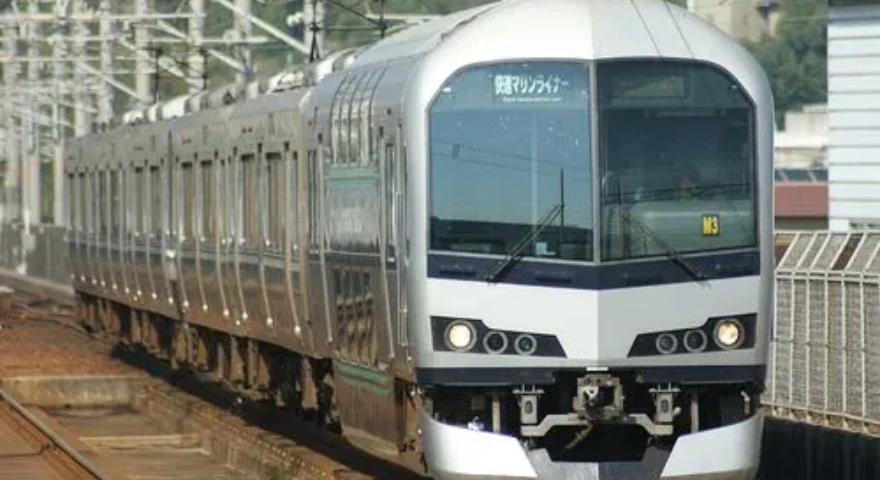
Transportation in Japan can be surprisingly expensive if you don’t plan your routes carefully. Its incredibly well-developed rail network allows visitors to reach any place across the country conveniently. The main rail transport options in Japan include subways, JR Railways (including city trains and long-distance trains like the Shinkansen), and private railways (fewer).
JR
From Tokyo, you can take JR services to most major cities except some remote areas that need a bus transfer to reach. JR services are managed by different companies in specific regions.
JR Pass: To explore Japan by rail, many international tourists used to choose to pay by the JR Pass. It is provided by the six companies of the JR Group, by which people can have unlimited travel on designated JR trains within a set time, region, and train lines. The pass was once more cost-effective than buying individual tickets. However, in recent years, its price has been much higher and usage limitations have also increased, making it less of a bargain.
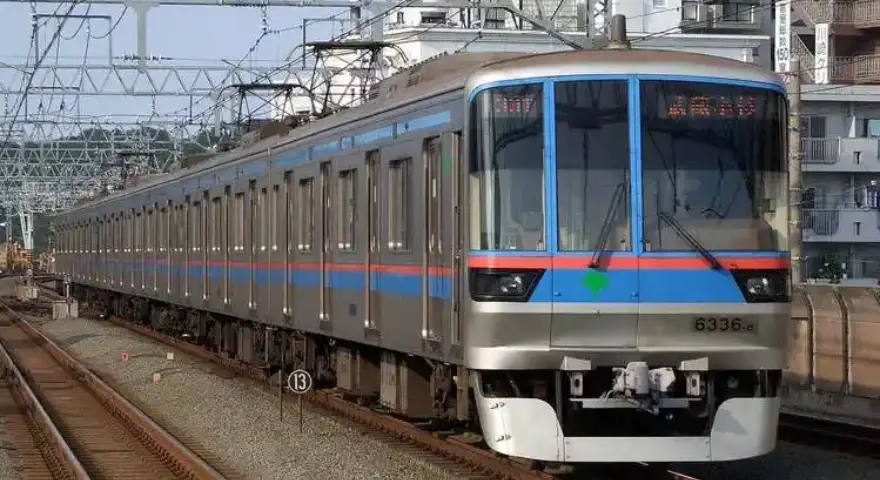
Metro
In Japan, each major city has its own subway company, covering most of the city’s transit needs. The extensive coverage of the metro has made it the most convenient way to get around most cities.
For tourists, the recommended metro pass options include the Metro One-Day Pass, which costs 710 yen and allows unlimited rides on Tokyo Metro lines for an entire day, and the Metro + Toei One-Day Pass, which costs 1,000 yen and allows unlimited rides on both Tokyo Metro and Toei Subway lines for an entire day.
Taxi
Taxis in Japan are notoriously expensive. Take Tokyo as an example, the starting fare is about 730 yen for the first 2 kilometers, then every additional 280 meters will charge 90 yen.
Accommodation Options in Japan – Where to Stay
Japan has a highly developed hospitality industry. According to recent data, there are over 100,000 hotels and inns spreading across the country. From luxurious five-star hotels to affordable guesthouses, you can find a wide range of accommodation options in either bustling cities or small rural towns.
Ryokan Vs. Hotel
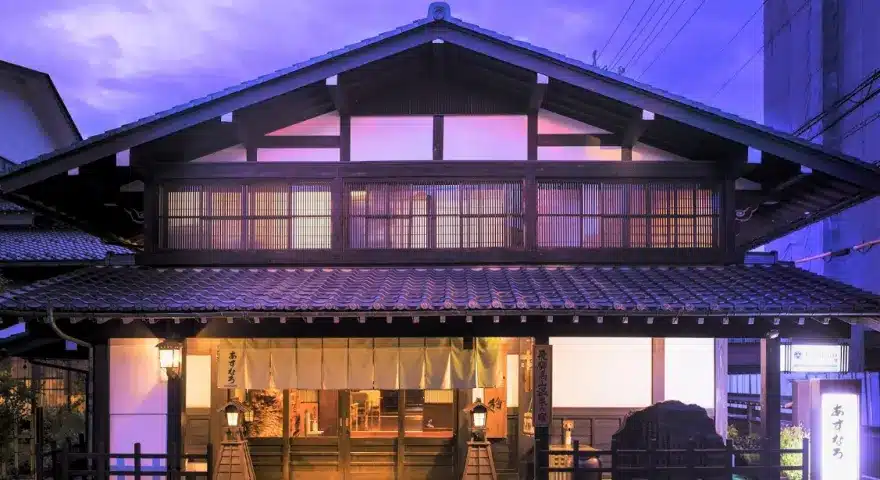
Typically, accommodations in Japan can be divided into two main categories, which are traditional Japanese-style inns (Ryokan) (mostly in resort areas) and modern Western-style hotels (often to see in bustling cities).
Ryokan are typically built in a traditional wooden style, with rooms being furnished with low tables, cushions, and futons. Natural onsen and Kaiseki are usually available in Ryokan.
The Western-style hotels are just like in other countries, usually providing a wide range of amenities and various international cuisines.
Stay Close to Railway Stations
For most travelers, choosing a hotel near a railway station will offer much convenience, as the rail network is the primary mode of transportation in Japan. Most towns and cities develop around these stations, with supermarkets, restaurants, and other essential services conveniently located nearby.
Cellular service – Get a SIM, eSIM or pocket wifi
- Japan offers wide Wi-Fi coverage, with free Wi-Fi available in airports, Shinkansen Trains, large department stores, museums, etc.
- Purchasing a SIM card for data is one of the most practical options for reliable internet access. The prices may vary based on duration and data limit, generally no more than 1000 Yen per day.
- Renting or buying a portable Wi-Fi is adivsed if your phone is locked to a specific carrier, or if you are traveling with multiple people who can share the price.
- If your phone was manufactured in the past few years, it should be eSIM-compatible. Then you can buy a local eSIM in many Lawson convenience stores after arrival in Japan.
Useful Japan Travel Apps & Trip-planning Tools
- Google Maps: For navigation, offers detailed subway or JR train route guidance and shortest transfer options, and can help to find restaurants with ratings.
- Tabelog: For food guide; one of Japan’s most popular restaurant review and reservation platforms; can make advance reservations for many popular restaurants; can filter restaurants by location, cuisine, price range, etc.
- Suica Card: A convenient electronic ticket accepted across almost all public transportation systems, including the Shinkansen; primarily used in Tokyo and surrounding areas.
- Apple Translate or Google Translate: Help to overcome language barriers; both offer voice recognition and photo translation features.
- Airbnb: Airbnb: For booking unique accommodations; offers more local and charming stays with lower prices.
- Japan Taxi: One of the major ride-hailing apps in Japan, offering satellite-based location services; has an English interface.
- Agoda: This global hotel booking platform offers a vast selection of accommodations; supports convenient payment options.
- JapanTravel: official guide for Metro and shinkansen routes.
What to Take on a Trip to Japan – Pack Wisely
- Essential documents: Valid passport, visa (if you are required), flight and hotel information (print or save electronic copies), and arrival declaration.
- Payments and communication: Yen cash (for smaller purchases), debit card or credit card (UnionPay, Visa, or MasterCard), transport cards like Suica or ICOCA, SIM card, or pocket Wi-Fi.
- Daily essentials: Power adapter (Japan uses two-prong plugs), portable charger, personal care items (some hotels may not offer toiletries), essential medicines, slip-on shoes (due to frequently taking shoes on and off in temples and restaurants), and sun protection items.
- Other items: A camera, a coin purse to carry small coins, a paper travel guide for a useful backup, and an umbrella (especially when traveling in the rainy season in July and August.)
Create a Budget – How Much Would a Trip to Japan Cost
The cost of traveling to Japan varies depending on several factors. Below is a breakdown of the estimated expenses:
- International flights: About $600 – $1,200 for a round trip, depending on your departure location and travel season.
- Accommodation: Due to the wide range of hotel types and the influence of location and travel season on pricing, hotel prices can vary significantly. On average, a budget hotel typically costs from $70 to $140 per night, three—or four-star hotels generally cost from $140 to $280 per night, and five-star hotels cost over $280 per night.
- Transportation: A single subway or bus ride typically costs $1.50 to $4.50; a Tokyo Metro day pass costs around $8; long-distance transportation between cities (such as Shinkansen) can cost about $110 for a single trip.
- Meals: Typically, it costs about $14 to $40 per meal at a regular restaurant, such as ramen shops, izakayas, or more upscale restaurants. Foods in convenience stores are usually more affordable, costing about $4 to $7 per meal. Street food such as takoyaki is more budget-friendly, costing about $1.5-$3 per serving.
- Attraction & activities: Many attractions in Japan are free for tourists, but popular sites like Tokyo Tower ($14 to $28) and Universal Studios Japan ($55 to $85) require paid tickets. On average, you can expect to spend about $35 – $210 on attractions and leisure activities per week.
How to Pay in Japan?
Cash:
Japan is still a cash-based society. Japanese yen is widely throughout the country, especially in smaller shops and street vendors. You can exchange money at major airports and most banks.
A popular but unique way to make cash payments in Japan is Konbini Payments, by which people can purchase goods or services online and then pay in cash at a convenience store counter.

Credit cards or debit cards
Major credit card brands such as JCB, VISA, MasterCard, American Express, and UnionPay are all widely accepted in Japan. JCB and MasterCard are more commonly used. With a debit card, you can either make direct payments at merchants or withdraw yen from ATMs. Both credit cards and debit cards are widely accepted in most shops, restaurants and taxis in major cities.
Get a digital Suica (if you have an iPhone) or a physical IC card
- Not only can be used on public transport systems, but the Suica card is also accepted at convenience stores, museums, and a rising number of restaurants and shops.
- If you have an Iphone and with a MasterCard or American Express linked with your Apply Wallet, you can purchase a Suica card and pair it with Apple Pay.
- Also, you can buy a physical card such as the “PASMO PASSPORT” and “Welcome Suica,” at JR East Travel Service Centers at Narita Airport Station, Terminal 2, and Haneda Airport Terminal 3.
Essential Tips to Plan a Trip to Japan
- Pre-booking is essential for a Japan trip. Do reserve or pre-book your accommodation, restaurants, attractions, etc.
- Tipping for dining or taxi services is not practiced in Japan. Don’t do it since it may cause discomfort and confusion. The final bill in restaurants usually includes a service charge.
- Refrain from talking on the phone on public transportation.
- Luggage lockers are available in many train stations.
- When visiting Kyoto, visiting early in the morning or later in the evening is a great way to escape crowds and enjoy particularly stunning scenes of Kiyomizu Temple and Yasaka Shrine.
- On Google Maps, restaurants with ratings above 4.5 are generally worth a try, don’t forget to make reservations at popular spots.
- Before entering an onsen, you should shower and thoroughly cleanse your body. Wearing clothing (even a swimsuit) when bathing is not allowed by traditional onsen etiquette. Now, many modern onsen facilities offer separate bathing areas for men and women.
- Vending machines is everywhere in Japan, making it convenient to get anything, including drinks, hot coffee, hot chips, and even SIM cards.
- Luggage transfer is highly recommended if you plan on traveling between cities. The service is available at hotels, train stations and airports, and typically take 1-3 days, depending on the distance.





