
Many travelers who are planning on a Vietnam tour will encounter questions about north and south Vietnam. As a country, Vietnam is not large in size. It is 330,000 square kilometers (127,414 square miles), about the size of New Mexico. But it spans 1650 kilometers (1025 miles) from north to south. The geographical span results in great differences between north and south Vietnam.
Learn about the history behind north and south Vietnam, their differences in many aspects, and of course, what you might experience differently during your trip.
Is There a North and South Vietnam?
Yes, within the country of Vietnam, Quang Tri Province roughly divides it into northern and southern regions. North Vietnam borders China to the north and Laos to the west. South Vietnam borders Laos and Cambodia to the west.
As a result of their history, there are great differences between Vietnam north and south culture, landscapes, and politics. These differences make traveling to Vietnam so much more exciting and fun.
History Between North and South Vietnam
Vietnam had been a French colony since 1887 until World War II, when Japan occupied Vietnam. After Japan’s defeat in 1945, the Viet Minh, led by Ho Chi Minh, declared Vietnam’s independence. As a result, the First Indochina War (1946-1954) between the Viet Minh and the French took place and ended with defeat of the French.
The Geneva Accords of 1954 divided Vietnam at the 17th parallel to North Vietnam (Democratic Republic of Vietnam) and South Vietnam (Republic of Vietnam). North Vietnam was led by Ho Chi Minh, became a socialist state with a red flag. While South Vietnam was led by Emperor Bao Dai with a yellow flag.
As conflicts escalated, North and South Vietnam went to war from 1955 to 1975, the Vietnam War (Second Indochina War). North Vietnam was supported by communist allies, and South Vietnam, primarily by the United States. In 1975, North Vietnamese forces captured Saigon (Ho Chi Minh City today), which led to fall of South Vietnam. North and South Vietnam united as the Socialist Republic of Vietnam in 1976.
Recommended Classic Vietnam Tours:
- 9 Days Private Vietnam Tour (from North to South)
- 13 Days Vietnam Tour from South to North
- 16 Days Vietnam Panoramic Tour: Halong Bay, Mekong River…
Differences Between North and South Vietnam
Climate
Vietnam climate is tropical in general with an annual monsoon. North and south Vietnam have different weather patterns due to their locations. The north experiences four seasons with cold winters and hot summers, while the south is relatively warm throughout the year with two distinct seasons, the dry and wet season.
Northern Vietnam has warm and pleasant springs. The temperature is the highest in summer with lots of rainfall. The rainy season lasts from May to August. The dry season, October to April, is usually considered the best time to visit Vietnam in the north.
The average temperature of southern Vietnam is more consistent throughout the year. The season of March to May sees the highest temperatures of the year, especially April. The rainy season starts from June to November. December to February is the best time to visit south Vietnam thanks to the cool and dry weather.
Culture
Chinese and French cultures have had heavy influence on Vietnam for centuries. However, French influence is more prominent in north Vietnam, especially in Hanoi, where you’ll see colonial architecture and historical buildings. When it comes to the people, there are more ethnic minority groups in north Vietnam.
You’ll notice different customs in north and south Vietnam that reflect their history and people, although they share many of the major values.
People in the north are likely to be more reserved and formal. They might avoid overt displays of emotions in public. While in south Vietnam, people are more casual with social rituals. They value personal relationships over formalities. So you might see physical contact in their ways of greeting.
Vietnamese Cuisine
Vietnamese food culture is the result of the country’s history, social practices, natural resources. Therefore, different regions have their own flavors and ingredients.
Northern Vietnamese cuisine is characterized by subtle and balanced flavors. There is a focus on freshwater fish, seafood, and vegetables. Because of the cooler climate in the north, the food there is heartier and less spicy. You’ll see lots of fresh herbs and light broths in the dishes. Some iconic examples are pho, Bun Cha, Cha Ca La Vong.
Southern Vietnamese cuisine incorporates common use of sugar and coconut milk. Their diet reflects the region’s tropical climate and an abundance of produce. The dishes are often sweeter and more colorful with herbs and vegetables. You’ll also notice influence from Cambodian, Thai, and Chinese food cultures. You might encounter Hu Tieu Nam Vang, Banh Xeo, Com Tam.
Landscape
North and south Vietnam have different but equally stunning landscapes due to their climate geographical conditions. North Vietnam is famous for its rugged mountains, for example in the Sapa region, Ninh Binh province, and Ha Long Bay. On the side of the mountains, you’ll likely see beautiful rice paddies.
In contrast, in south Vietnam, you’ll see the vast region of Mekong Delta, an amazing network of rivers and canals. Experience the floating markets and a traditional fishing life. South Vietnam is also where to go for a beach vacation, especially in Phu Quoc.
Recommended Best Vietnam Tours:
- 7 Days Classic North Vietnam Tour with Halong Bay Cruise
- 9 Days North Vietnam Tour with Angkor Wat
- 9 Days South Vietnam Tour with Mekong Delta & Angkor Wat
Major Cities and Destinations of North and South Vietnam
North Vietnam
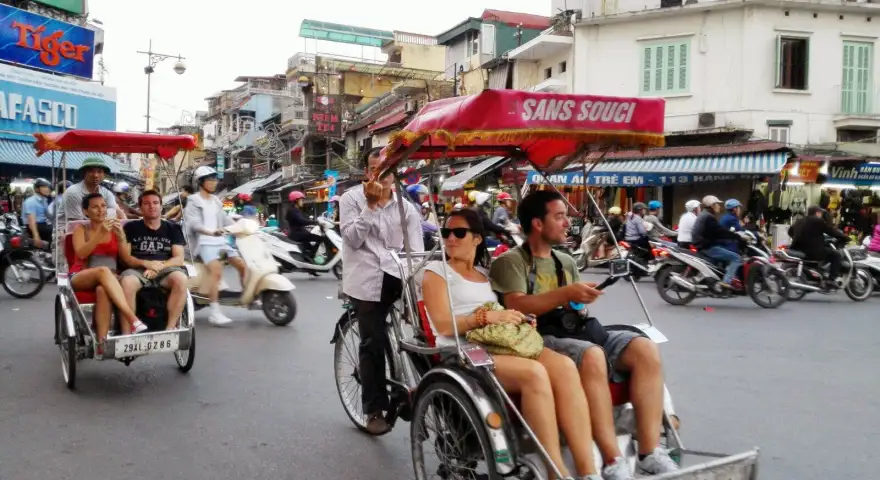
Hanoi is the capital as well as one of the best tourist cities in Vietnam. You’ll see its rich history in the many ancient temples and the bustling Old Quarter. Famous attractions of Hanoi include Hoan Kiem Lake, Temple of Literature, and the Ho Chi Minh Mausoleum. It is also known to have the best Vietnamese street food in the country. You should definitely try pho, bun cha, and egg coffee.
Sapa is nestled among gorgeous mountains and rice paddies. It is home to hill tribes, ethnic groups, and the nation’s most breathtaking rural vistas. Besides some of the best trekking experiences in Vietnam, tourists can also expect authentic culture homestay, and a wealth of astounding natural wonders and amazing viewpoints, magical waterfalls, bamboo forests, etc., during a Sapa trip.
Ha Long in northern Vietnam is a UNESCO World Heritage Site famous for its stunning Ha Long Bay. Thousands of limestone islands and islets form a breathtaking seascape. You can board cruises, go kayaking, and explore caves.
Ninh Binh in north Vietnam, is nationally famous for its stunning natural sceneries, including karst landscapes, hundreds of limestone cliffs, lush rice paddies, and winding rivers. It is the shooting site for the famous Hollywood movie “Kong: Skull Island.” In Ninh Binh, don’t miss the Trang An Scenic Landscape Complex, Tam Coc, and the ancient capital of Hoa Lu.
South Vietnam
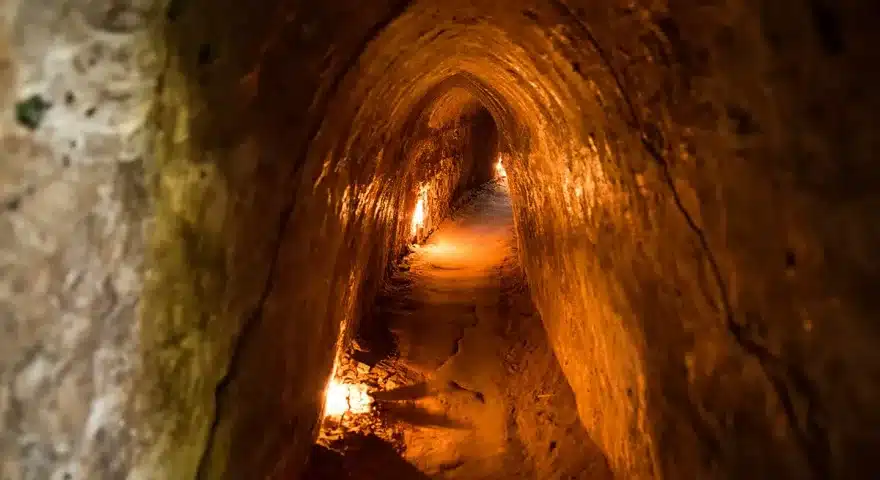
Ho Chi Minh City, formerly known as Saigon, is the largest city in Vietnam and probably the most famous city in south Vietnam. You’ll see as you walk down the city streets, a mix of skyscrapers and historic French colonial buildings. Ho Chi Minh City has many worth-visiting attractions, including the War Remnants Museum, the historic Cu Chi Tunnels, and the bustling Ben Thanh Market.
Mekong Delta is home to lush orchards, paddy field vistas, tropical scenery, distinctive riverine culture, and exciting floating markets. Take a sampan and experience the southern countryside life with local ethnic groups.
Phu Quoc is the largest island in Vietnam, located in the Gulf of Thailand. This city in Vietnam is known for white sandy beaches, clear waters, and luxury resorts. It is a popular destination for beach vacations. You’ll also find chances to go snorkeling, dive, and explore local markets.
Da Lat is a famous place for summer resorts because of its cool climate. It has beautiful natural landscapes and French colonial architecture. This gorgeous city is surrounded by pine forests, waterfalls, and flower gardens.
Recommended Popular Vietnam Tours:





